
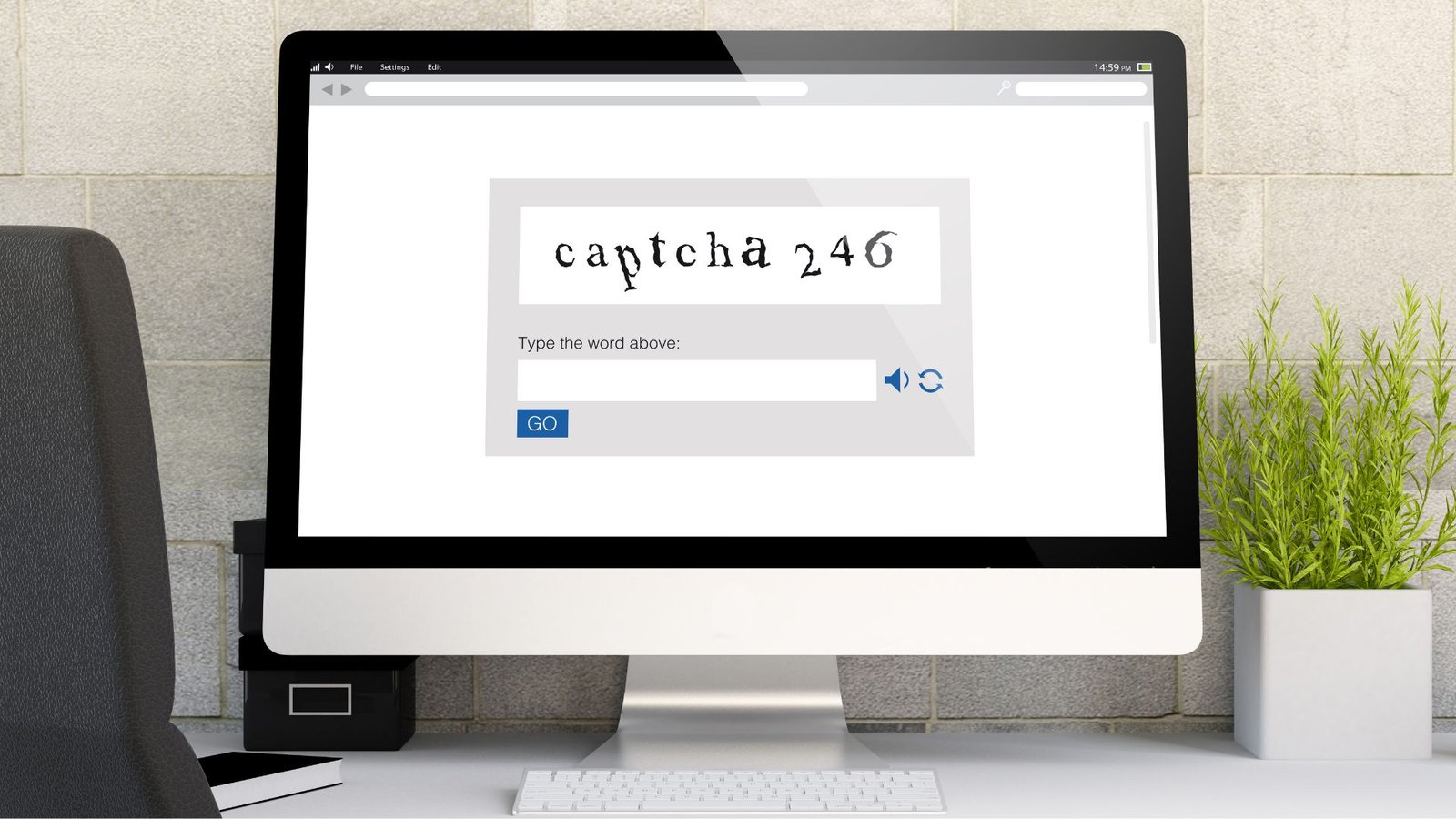
In the realm of website security, CAPTCHA stands as a stalwart guardian against malicious bots and spam attacks. For WordPress users, fortifying your site with CAPTCHA protection is akin to locking the gates against unwanted intruders. In this guide, we’ll delve into the importance of CAPTCHA and walk you through the steps to seamlessly integrate it into your WordPress domain.
Understanding CAPTCHA: A Shield Against Malicious Intruders
CAPTCHA, short for Completely Automated Public Turing test to tell Computers and Humans Apart, serves as a gatekeeper, distinguishing between genuine human users and automated bots. Its primary objective is to thwart spam, prevent unauthorized access, and enhance overall website security.
By presenting users with challenges that are easy for humans to solve but difficult for bots, CAPTCHA ensures that only genuine human interaction can proceed. This significantly reduces the risk of automated attacks such as comment spamming, form submissions, and brute-force login attempts.
The Vital Role of CAPTCHA in WordPress Security
WordPress, being the powerhouse content management system (CMS) it is, attracts a considerable amount of attention from spammers and bots. Without adequate protection, WordPress sites can quickly become targets for malicious activities, compromising not only security but also user experience and site performance.
Integrating CAPTCHA into your WordPress site serves as a formidable defense mechanism, safeguarding your valuable content and user data. Whether you run a personal blog, an e-commerce platform, or a corporate website, CAPTCHA protection is essential for maintaining the integrity and security of your online presence.
Adding CAPTCHA Protection to Your WordPress Site: A Step-by-Step Guide
Now that we understand the significance of CAPTCHA in WordPress security, let’s explore how to implement it effectively:
Step 1: Choose a CAPTCHA Plugin
WordPress offers a plethora of CAPTCHA plugins, each with its own set of features and functionalities. Some popular options include Google reCAPTCHA, Really Simple CAPTCHA, and hCaptcha. Evaluate your requirements and select a plugin that best aligns with your needs.
Step 2: Install and Activate the Chosen Plugin
Once you’ve made your selection, install the chosen CAPTCHA plugin directly from the WordPress plugin repository. Navigate to your WordPress dashboard, go to Plugins > Add New, search for your preferred CAPTCHA plugin, and click ‘Install Now’. After installation, activate the plugin to begin configuration.
Step 3: Configure CAPTCHA Settings
Access the settings page of your chosen CAPTCHA plugin to configure its parameters according to your preferences. This typically involves obtaining API keys, selecting the type of CAPTCHA challenge, and customizing display options to seamlessly integrate with your website’s design.
Step 4: Integrate CAPTCHA with Forms and Login Pages
Once configured, integrate CAPTCHA protection with relevant forms and login pages across your WordPress site. This may include comment forms, registration forms, login pages, and contact forms. Most CAPTCHA plugins provide shortcode integration or offer built-in support for popular WordPress form plugins.
Step 5: Test and Fine-Tune
Before deploying CAPTCHA protection live, thoroughly test its functionality across different devices and user scenarios. Ensure that CAPTCHA challenges are easily decipherable by genuine users while posing a significant barrier to automated bots. Fine-tune settings as necessary to strike the right balance between security and user experience.
Conclusion:
In an era plagued by cyber threats and automated attacks, bolstering your WordPress fortress with CAPTCHA protection is not just advisable—it’s imperative. By implementing CAPTCHA effectively, you can fortify your site against malicious intruders, preserve user trust, and uphold the integrity of your online presence.
Remember, the battle for website security is ongoing, and staying vigilant is key to staying one step ahead of potential threats. Invest in robust security measures, keep your software up to date, and regularly monitor your site for any signs of suspicious activity. With CAPTCHA as your stalwart ally, your WordPress kingdom will remain resilient against the forces of digital malevolence.
Contact us to get more information about it.
Search blogs
Other Blogs

Fixing Stripe API Errors in Forminator: How the Forminator Stripe App Solves Connection Issues
If your Stripe payments are failing or Forminator is showing API connection errors, the issue is usually caused by missing or invalid Stripe permissions. This happens when Stripe API keys are not properly linked or have been restricted by Stripe for security reasons....
How to Fully Secure Your WordPress Website Using Defender Pro
Securing a WordPress website requires more than just installing a security plugin—it depends on configuring the right features correctly. Defender Pro provides a comprehensive set of tools designed to protect your site from hackers, malware, and unauthorized access when used effectively.
How To Fix The Missing Divi Library Layouts Issue
Missing Divi Library layouts are often caused by permalink or rewrite rule conflicts, especially after site migrations, updates, plugin changes, or hosting switches. In most cases, the issue can be fixed quickly by simply re-saving your WordPress permalinks. This forces WordPress to regenerate its rewrite rules, which Divi relies on to load saved layouts correctly. Once refreshed, the Divi Library items usually reappear instantly in the Divi Builder without any data loss or configuration changes.
How to Fix WordPress Not Sending Emails Problem
One of the most frustrating issues for WordPress users is when the website suddenly stops sending emails. Whether it’s contact form messages, password reset links, or WooCommerce order notifications — these emails are essential for smooth communication and user trust....
10 Common WordPress Issues and How to Fix Them
WordPress is a powerful and flexible platform, but it can occasionally present technical challenges that disrupt your website’s performance or functionality. From plugin conflicts and slow loading speeds to security issues, broken links, and failed updates, these problems are common for many site owners. This guide highlights the most frequent WordPress issues and provides practical, easy-to-follow solutions to resolve them quickly. Whether you’re troubleshooting errors, improving performance, or strengthening security, understanding these fixes can help keep your WordPress site running smoothly and reliably.