
Troubleshooting WordPress: How to Identify and Fix Theme Compatibility Issues
Category: Web Development | Wordpress
Understanding Theme Compatibility Issues:
Before diving into troubleshooting, it’s crucial to understand what theme compatibility issues entail. These issues typically arise when a theme conflicts with certain plugins or features within WordPress itself. Symptoms of compatibility issues can include broken layouts, missing elements, slow loading times, or even site crashes. Identifying these issues promptly is essential to maintain the integrity of your website.
1. Perform a Theme and Plugin Conflict Check:
- Start by deactivating all plugins on your WordPress site.
- Switch to a default WordPress theme, such as Twenty Twenty-One.
- Check if the problem persists. If not, it’s likely that the issue is related to your theme or a conflict between the theme and plugins.
2. Update Your Theme and Plugins:
- Ensure that both your theme and plugins are updated to the latest versions. Developers often release updates to address compatibility issues and improve functionality.
- Before updating, backup your website to prevent data loss in case of any unforeseen issues.
3. Review Theme Documentation and Support:
- Consult the documentation provided by the theme developer. They may have specific instructions or troubleshooting steps for common compatibility issues.
- Reach out to the theme’s support team or community forums for assistance. They can offer insights and guidance tailored to your theme’s functionalities.
4. Test with a Staging Environment:
- If your website is live, consider setting up a staging environment to test potential fixes without affecting your live site.
- Staging environments allow you to experiment with different configurations and troubleshoot compatibility issues in a controlled environment.
5. Use Theme Compatibility Plugins:
- Several plugins are available specifically designed to address theme compatibility issues. These plugins can help resolve conflicts between themes and plugins, improving overall site performance and functionality.
- Examples include ‘Theme Check’ and ‘Plugin Detective,’ which scan your theme and plugins for compatibility issues and provide recommendations for resolution.
6. Customize Theme Settings:
- Some compatibility issues can be resolved by adjusting settings within your theme. Explore theme customization options and experiment with different configurations to identify the source of the problem.
- Pay attention to settings related to fonts, colors, layouts, and responsive design, as these can often impact compatibility with plugins and other WordPress features.
7. Consider Hiring a Developer:
- If you’re unable to resolve compatibility issues on your own, consider hiring a WordPress developer with experience in troubleshooting theme-related issues.
- A developer can conduct a thorough analysis of your website, identify underlying compatibility issues, and implement custom solutions tailored to your specific requirements.
Conclusion:
Theme compatibility issues can pose significant challenges for WordPress website owners, but with the right approach, they can be effectively identified and resolved. By following the steps outlined in this guide, you can troubleshoot compatibility issues with your WordPress theme, ensuring a seamless and optimized website experience for you and your visitors. Remember to stay proactive, keep your theme and plugins updated, and leverage available resources such as documentation, support forums, and compatibility plugins to resolve issues promptly and effectively.
Contact us to get more information about it.
Search blogs
Other Blogs
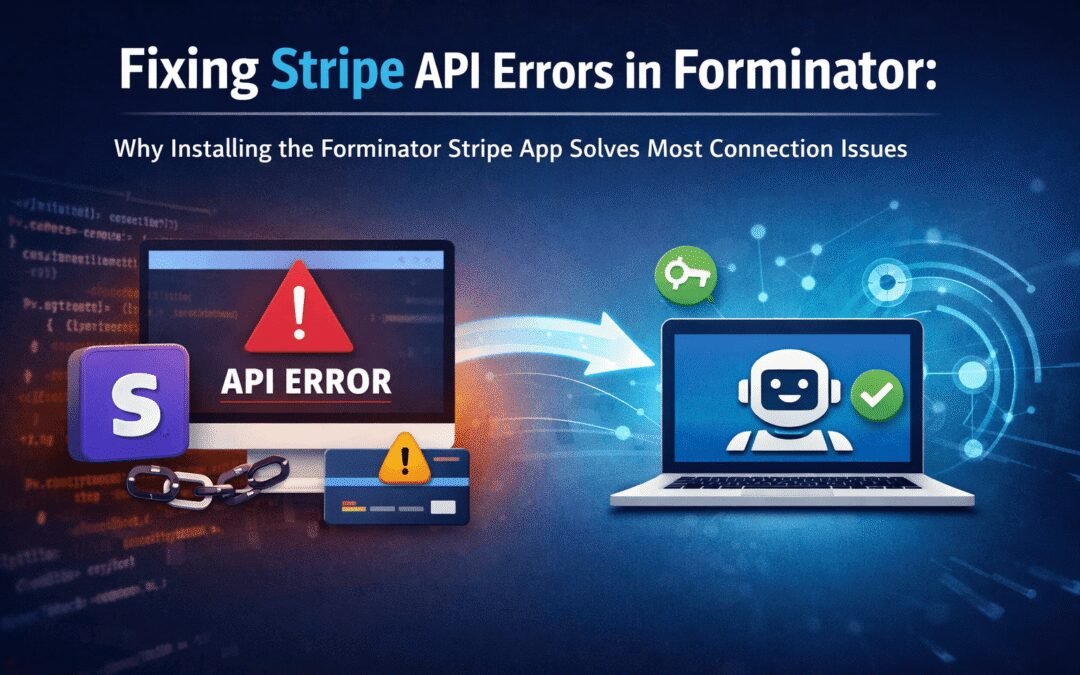
Fixing Stripe API Errors in Forminator: How the Forminator Stripe App Solves Connection Issues
If your Stripe payments are failing or Forminator is showing API connection errors, the issue is usually caused by missing or invalid Stripe permissions. This happens when Stripe API keys are not properly linked or have been restricted by Stripe for security reasons....
How to Fully Secure Your WordPress Website Using Defender Pro
Securing a WordPress website requires more than just installing a security plugin—it depends on configuring the right features correctly. Defender Pro provides a comprehensive set of tools designed to protect your site from hackers, malware, and unauthorized access when used effectively.
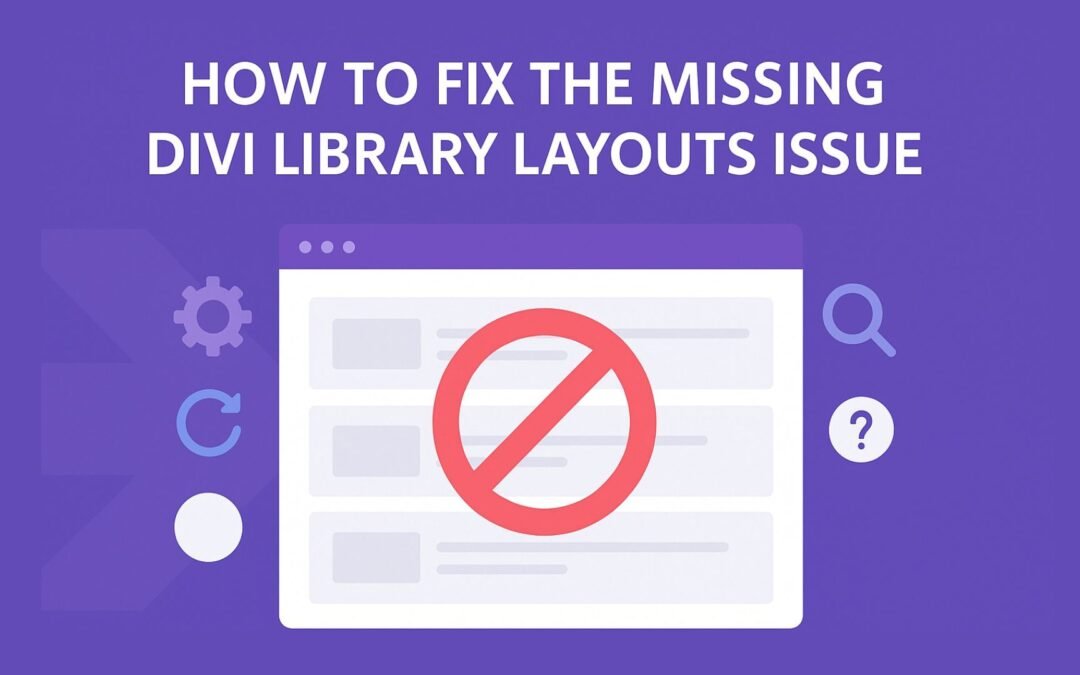
How To Fix The Missing Divi Library Layouts Issue
Missing Divi Library layouts are often caused by permalink or rewrite rule conflicts, especially after site migrations, updates, plugin changes, or hosting switches. In most cases, the issue can be fixed quickly by simply re-saving your WordPress permalinks. This forces WordPress to regenerate its rewrite rules, which Divi relies on to load saved layouts correctly. Once refreshed, the Divi Library items usually reappear instantly in the Divi Builder without any data loss or configuration changes.
How to Fix WordPress Not Sending Emails Problem
One of the most frustrating issues for WordPress users is when the website suddenly stops sending emails. Whether it’s contact form messages, password reset links, or WooCommerce order notifications — these emails are essential for smooth communication and user trust....
10 Common WordPress Issues and How to Fix Them
WordPress is a powerful and flexible platform, but it can occasionally present technical challenges that disrupt your website’s performance or functionality. From plugin conflicts and slow loading speeds to security issues, broken links, and failed updates, these problems are common for many site owners. This guide highlights the most frequent WordPress issues and provides practical, easy-to-follow solutions to resolve them quickly. Whether you’re troubleshooting errors, improving performance, or strengthening security, understanding these fixes can help keep your WordPress site running smoothly and reliably.